¿Cualquier persona puede aprender un segundo idioma?
Ayer me reuní a cenar con una amiga de Suecia y su esposo de Bélgica y me comentaba que sus niños de 5 años y 8 años hablan fluidamente inglés, sueco, belga ¡y que quieren aprender ahora español!
Entonces yo le pregunté ¿por qué en Europa el ciudadano promedio habla al menos 3 idiomas? ¿Cuál es su secreto? Y ella confirmó algo que he estudiado durante muchos años y con lo que estoy cien por ciento de acuerdo: "No hay ningún secreto, todos podemos aprender más de un idioma, lo que se necesita es perseverancia, consistencia y no temer a hacer errores". Después de aprender un segundo idioma se hace mucho más fácil aprender un tercero o cuarto idioma, debido a que la mayoría de las lenguas tienen las mismas raíces como el latín o el alemán.
Si deseas aprender una segunda lengua lo más importante es tomar la decisión seria de que lo vas a hacer y no parar hasta lograrlo. Por experiencia sé que hay momentos en que uno dice "no puedo", "es muy difícil", pero en realidad ese es el momento en que te encuentras más cerca de la meta. Nadie se levanta hablando un segundo idioma, toma mucho tiempo hasta que poco a poco empiezas reconociendo palabras, después entendiendo a una u otra persona y poco a poco se va mejorando. Aprender otro idioma no es una ciencia sino más como un deporte: si quieres tener músculos puedes obtenerlos siempre y cuando entrenes cada día un poquito. Por tanto, no es realmente imposible. La pregunta es: ¿tienes la determinación para dedicarle unos minutos cada día para practicar tu nuevo idioma?
Esa es la ventaja en Europa, nadie tiene otra opción: al tener los países tan cercanos hablando diferentes lenguas siempre tienen la exposición al escuchar a otras personas. En las escuelas es normal aprender más idiomas; tratan, aunque se equivoquen, de hablar con quienes estén a su alrededor. Es su cultura de no tener miedo a cometer errores. Todos nos equivocamos y no hay ningún problema si pronunciamos mal — cuando nos corrigen es la mejor manera de pulir nuestra pronunciación o mejorar el vocabulario.
Muchas veces es nuestro propio ego el que no nos permite aprender, ya que pensamos que vamos a aprender a la primera. Como mencioné antes, aprender un idioma depende del tiempo que le dediques, no como Matemáticas o Ciencias donde hay una fórmula a seguir.
Está bien si empiezas con una app como Duolingo o Babbel que te dé recordatorios para estudiar cada día unos 15 minutos, pero aunque ayude, esto no es suficiente. Si puedes aumentar el escuchar música o ver películas en español puede ser de mucha ayuda, especialmente para mejorar tu audición, ya que esto solamente lo puedes hacer tú. Para aprender a hablar es diferente: necesitarás un maestro que te corrija la pronunciación, que interactúe contigo, que te dirija — y si pones todos estos ingredientes juntos ¡voilà! ¡Lo lograste!
Lo increíble de aprender un segundo idioma es que es igual a aprender a cocinar: ya tienes la receta para seguir con cualquier otro idioma. El tercer idioma te va a resultar más fácil porque ya no tienes falsas expectativas, eres más paciente y muchas palabras se parecen. Además, si sabes conjugar en un idioma aprenderás que hay mucha similaridad con otros.
Eso lo constaté este verano con mi niño de 11 años, que habla inglés y español, pero empezó a estudiar griego hace un año porque le pareció divertido. No teníamos la expectativa de que hablara fluido sino como un hobby, pero al ir de vacaciones a Grecia en julio pasado, la guía empezó a conversar en griego con mi niño y no lo podía creer. Es impactante lo que se puede lograr si uno solo trata.
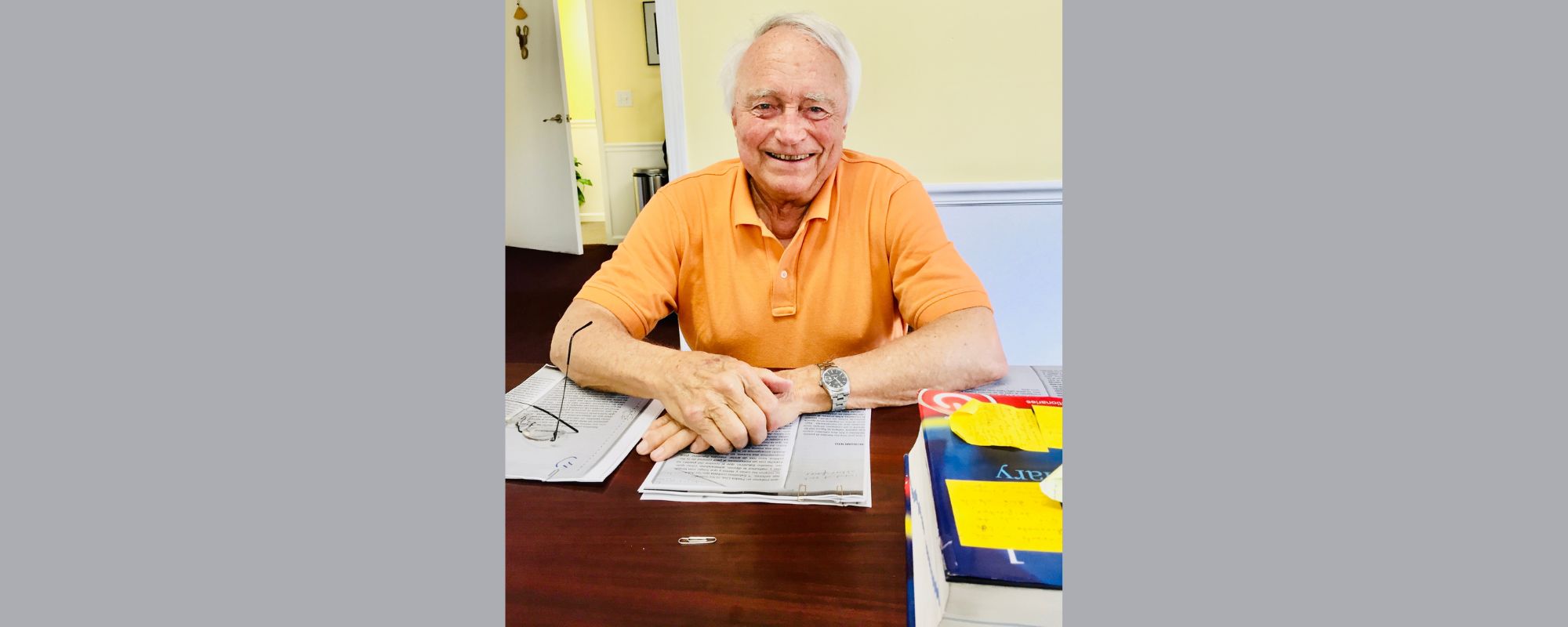
Durante casi 20 años de experiencia enseñando idiomas he visto a personas de todas las edades aprender español. ¡Uno de mis favoritos es Don Roberto! Quien la primera vez que lo conocí me dijo: "sé que no podré aprender porque tengo más de 70 años y eso es muy tarde para empezar, pero mi sueño es jubilarme en Cuenca, Ecuador". Y yo le dije: ¡sí puedes! ¿Quieres realmente aprenderlo? ¡Y me dijo que sí! ¡¡Así él aprendió y ahora vive ahí!! ¡Yo soy tan feliz cuando me manda sus fotos!
¡¡Si yo puedo, tú puedes!! — Paola Moretta